AI Risk Management | Free Training
December 30, 2025

AI Risk Management provides the structure to identify, assess, mitigate, and monitor these risks throughout the lifecycle of AI systems. It is not limited to technical vulnerabilities but extends to ethical, societal, and regulatory dimensions. Managing AI risks is essential to maintaining trust, accountability, and compliance within an organization.
AI risk management frameworks such as ISO/IEC 23894, ISO/IEC 42001, and the NIST AI Risk Management Framework, establish standardized approaches to govern AI activities responsibly. They guide organizations in anticipating and addressing challenges such as bias, data integrity, explainability, safety, and human oversight. The EU AI Act complements these frameworks by introducing a legal classification of AI risks, from minimal to high, with corresponding obligations for developers and deployers.
Effective AI risk management ensures that AI technologies align with organizational goals while respecting human rights and societal values. It integrates continuous monitoring, transparent decision-making, and documentation for accountability and audit readiness. It is essential to establish a governance framework that embeds risk management principles across the entire AI lifecycle—from data collection and model development to deployment and decommissioning. This proactive approach supports both compliance and innovation, ensuring AI systems remain trustworthy, safe, and beneficial to all stakeholders.
For more free training videos, visit our Youtube channel here
where we cover AI governance training from foundations, to security.
Share this article
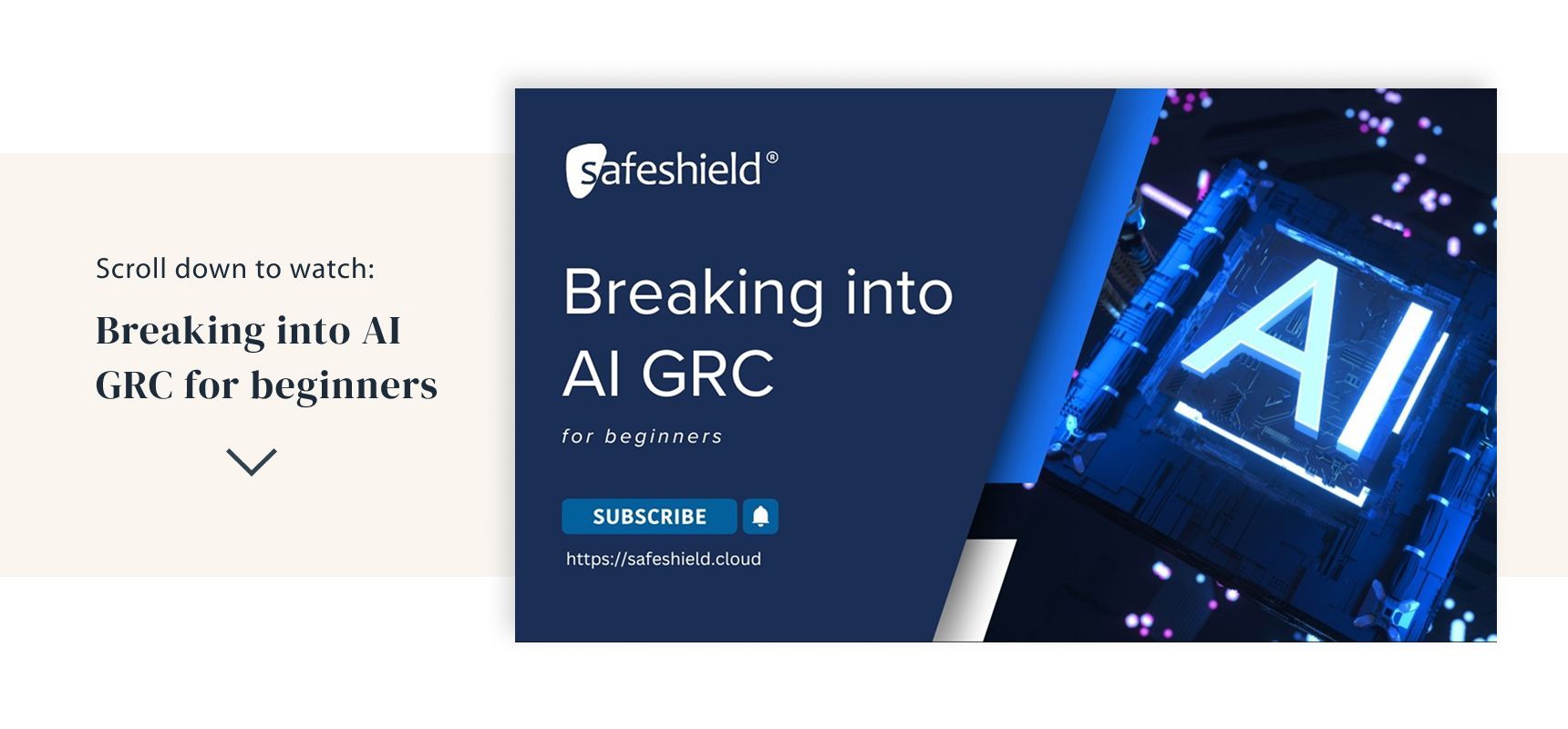
In this video, we walk through a practical beginner roadmap for getting into AI GRC in 2026: what AI GRC means, why it matters, and what beginners should learn.
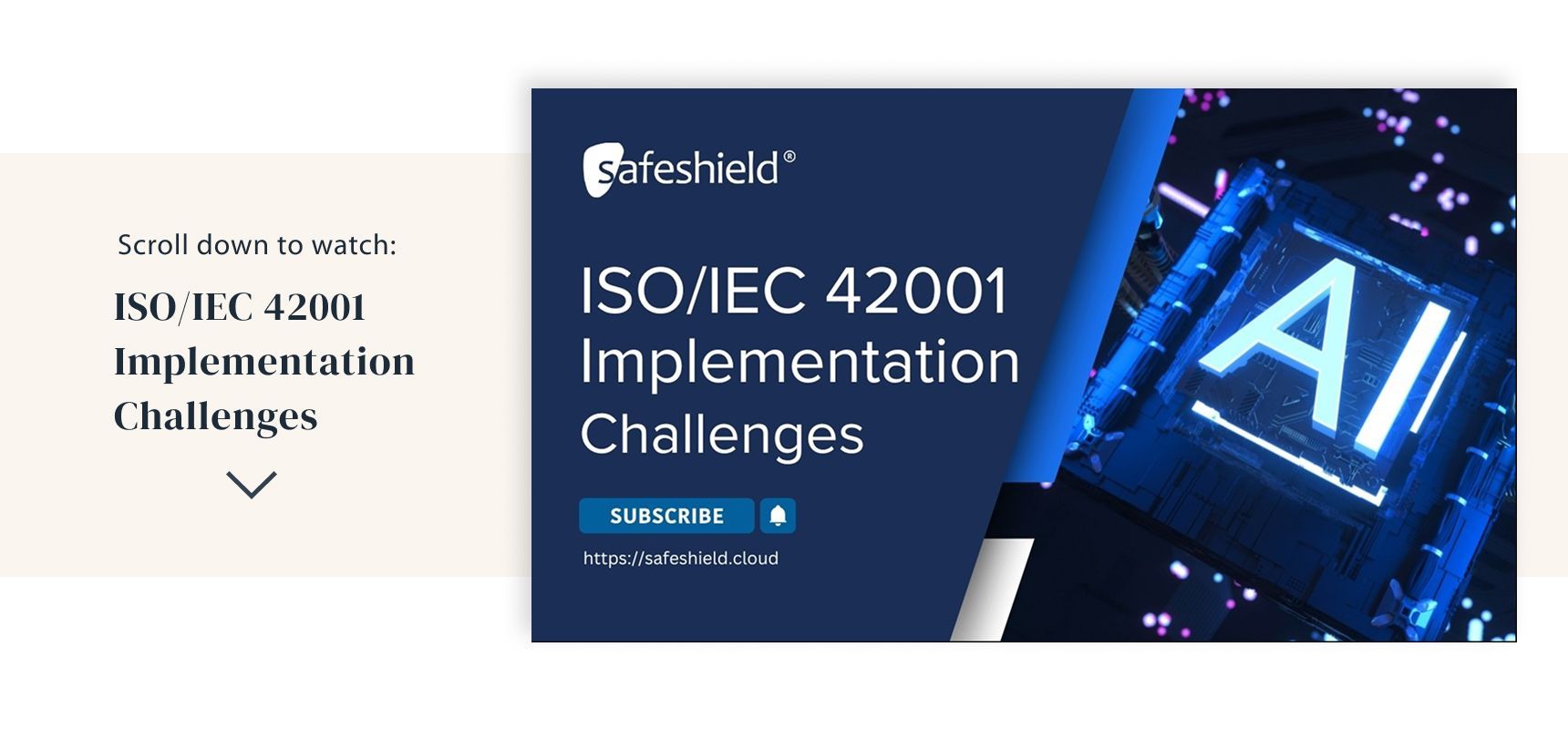
In this video, we look at some of the biggest mistakes organizations are making with ISO/IEC 42001 in 2026.

This free downloadable checklist will help you assess your organisation's position and readiness to begin the formal implementation of an AIMS.