The NIST Artificial Intelligence Risk Management Framework | Free Training
January 5, 2026

The NIST Artificial Intelligence Risk Management Framework, commonly referred to as the NIST AI RMF, is a voluntary framework developed to help organizations manage risks associated with the design, development, deployment, and use of artificial intelligence systems. It was published by the U.S. National Institute of Standards and Technology in response to increasing concerns about the safety, trustworthiness, and societal impacts of AI technologies. The framework provides a structured approach for identifying, assessing, prioritizing, and mitigating AI-related risks across the entire AI lifecycle.
Artificial intelligence systems introduce new categories of risk that differ in nature, scale, and speed from traditional information technology risks. These risks include issues related to bias and discrimination, lack of transparency, model robustness, security vulnerabilities, data quality, and unintended consequences that may affect individuals, organizations, and society. The NIST AI Risk Management Framework recognizes that these risks cannot be managed effectively through technical controls alone and require coordinated governance, organizational processes, and accountability mechanisms.
The framework is designed to be flexible, technology-neutral, and adaptable to different organizational contexts. It applies to organizations of all sizes, across sectors, and at varying levels of AI maturity. The framework does not prescribe specific tools or technologies. Instead, it defines outcomes and activities that organizations can tailor based on their risk profile, regulatory environment, and business objectives.
This course introduces the structure, principles, and practical application of the NIST AI Risk Management Framework. Emphasis is placed on how the framework supports responsible AI practices, complements other standards and regulations, and can be operationalized within existing governance, risk management, and compliance programs.
To see all our free training videos, please visit our YouTube channel here.
Share this article
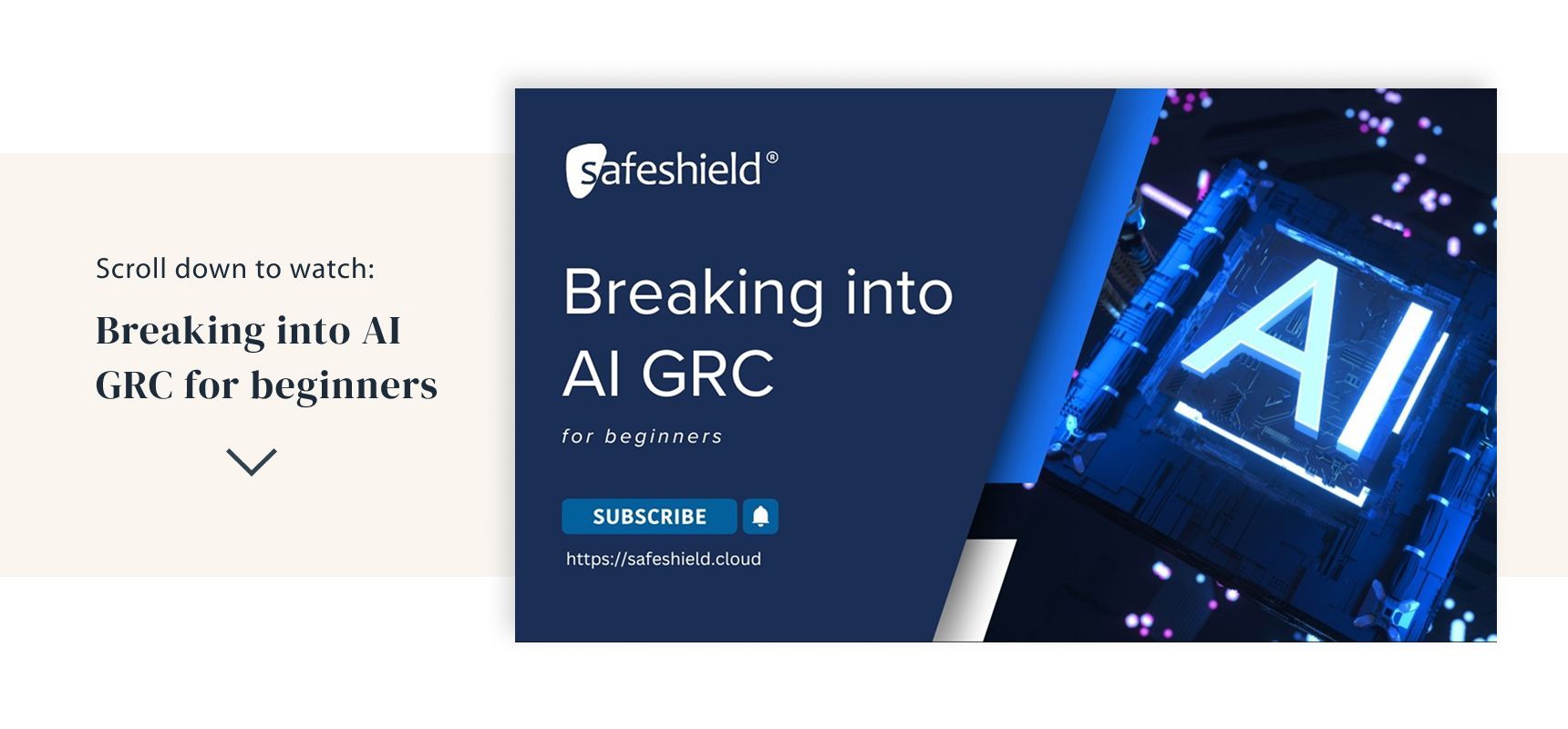
In this video, we walk through a practical beginner roadmap for getting into AI GRC in 2026: what AI GRC means, why it matters, and what beginners should learn.
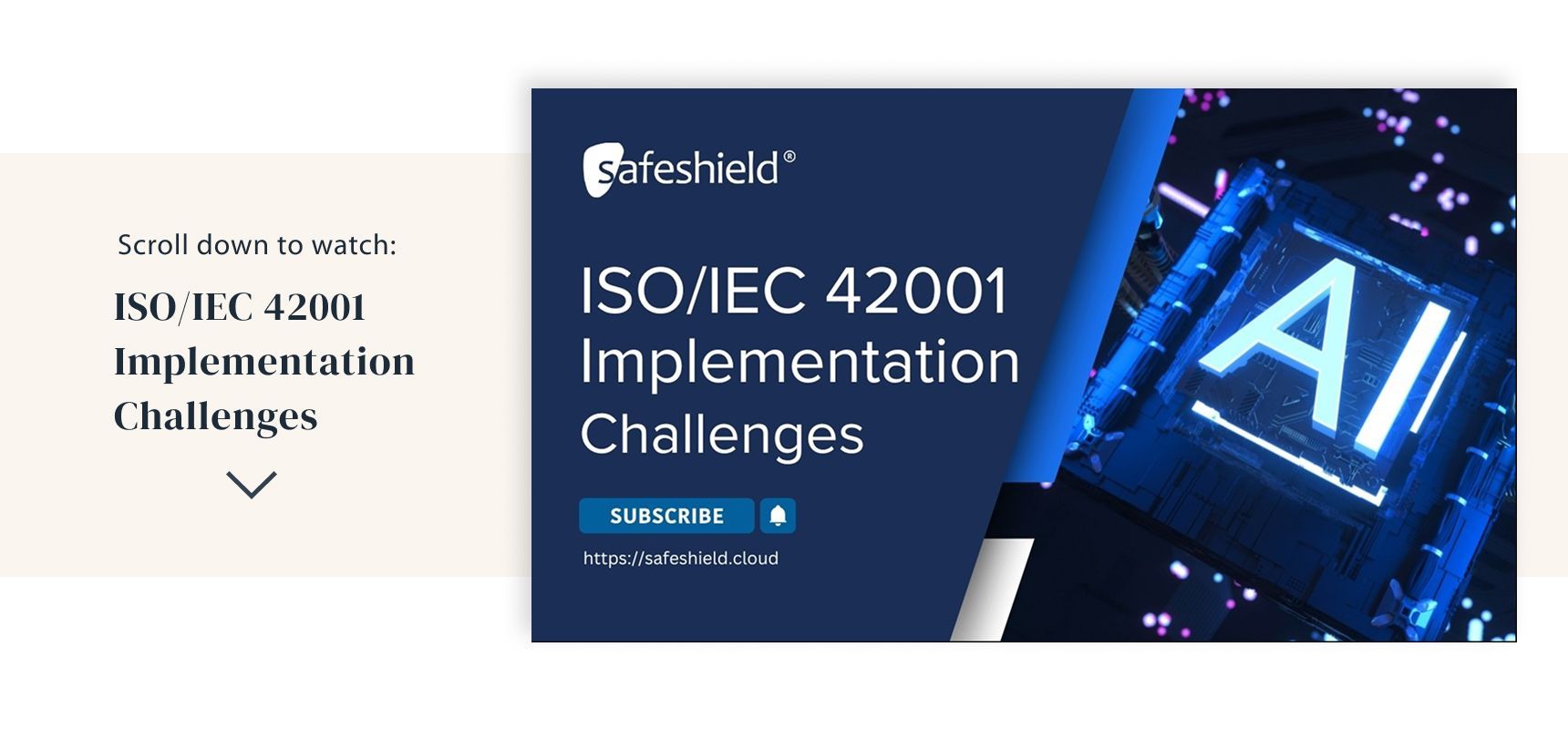
In this video, we look at some of the biggest mistakes organizations are making with ISO/IEC 42001 in 2026.

This free downloadable checklist will help you assess your organisation's position and readiness to begin the formal implementation of an AIMS.