AIMS Implementation and Audit Based on ISO/IEC 42001 | Free Training
December 30, 2025

Artificial intelligence systems are now embedded in critical business processes, customer interactions, and decision-making activities across industries. As organizations increasingly rely on AI, expectations around governance, accountability, risk management, and regulatory compliance continue to rise. ISO/IEC 42001
was developed to address this reality by providing a structured management system standard specifically designed for artificial intelligence. This course introduces ISO/IEC 42001
and explains how an Artificial Intelligence Management System, or AIMS, can be implemented and audited in a systematic, auditable, and business-aligned manner.
The focus of this course is practical application. Attention is placed on how organizations design, implement, operate, monitor, and continually improve an AIMS across the full AI lifecycle. Equal emphasis is given to auditing considerations, including audit scope definition, evidence collection, risk-based audit planning, and conformity assessment against ISO/IEC 42001 requirements. The course is designed to support professionals who participate in AIMS implementation projects, internal audits, supplier assessments, and certification readiness activities.
By the end of this course, participants will understand the structure and intent of ISO/IEC 42001, the key components of an AIMS, and the roles and responsibilities involved in effective AI governance. Participants will also be able to distinguish between implementation activities and audit activities, understand how controls are selected and evaluated, and recognize how ISO/IEC 42001 aligns with other frameworks such as the NIST AI Risk Management Framework and emerging regulatory requirements, including the EU Artificial Intelligence Act.
For more free training on AI GRC, visit our YouTube channel here.
Share this article
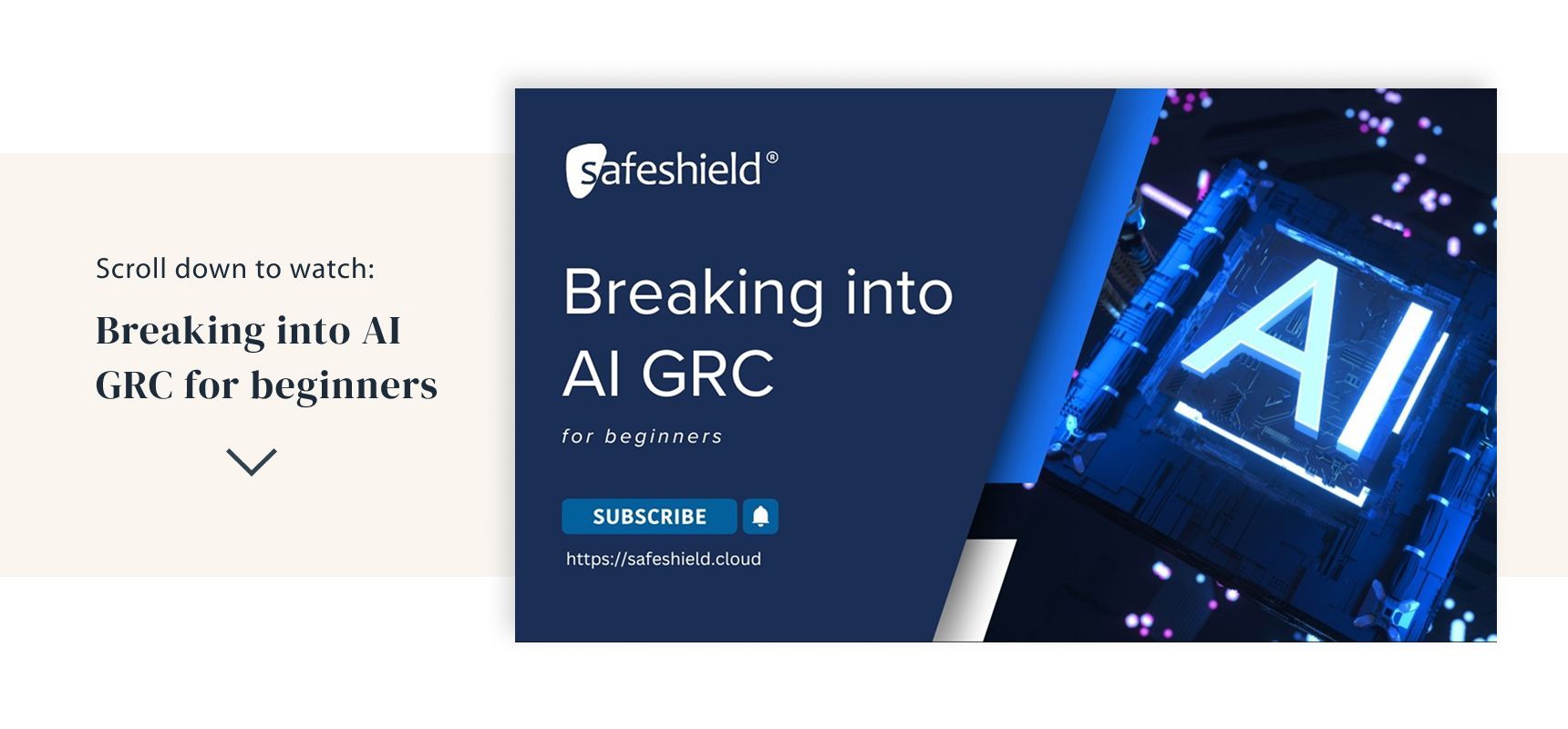
In this video, we walk through a practical beginner roadmap for getting into AI GRC in 2026: what AI GRC means, why it matters, and what beginners should learn.
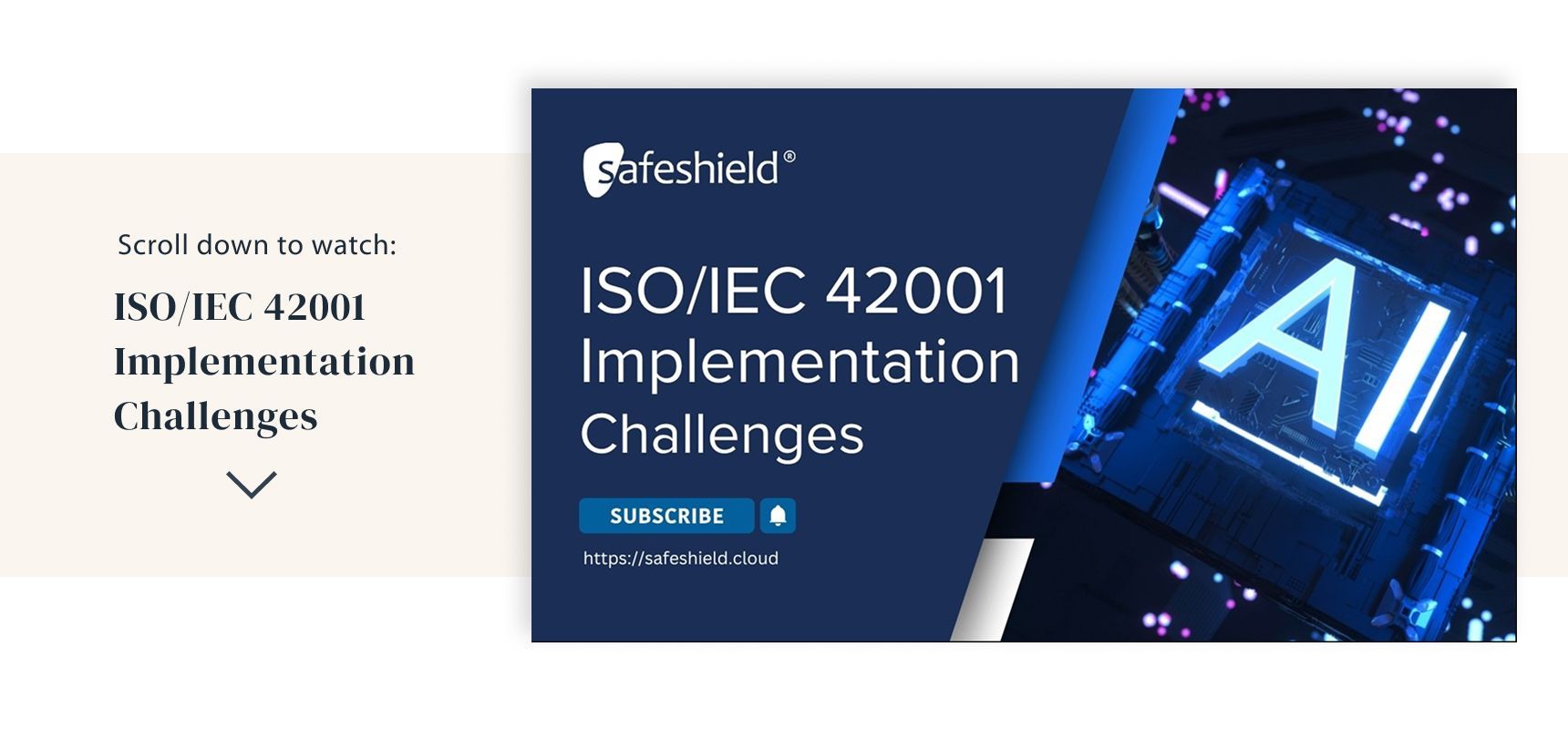
In this video, we look at some of the biggest mistakes organizations are making with ISO/IEC 42001 in 2026.

This free downloadable checklist will help you assess your organisation's position and readiness to begin the formal implementation of an AIMS.