European Union Artificial Intelligence Act Overview | Free Training
March 10, 2026
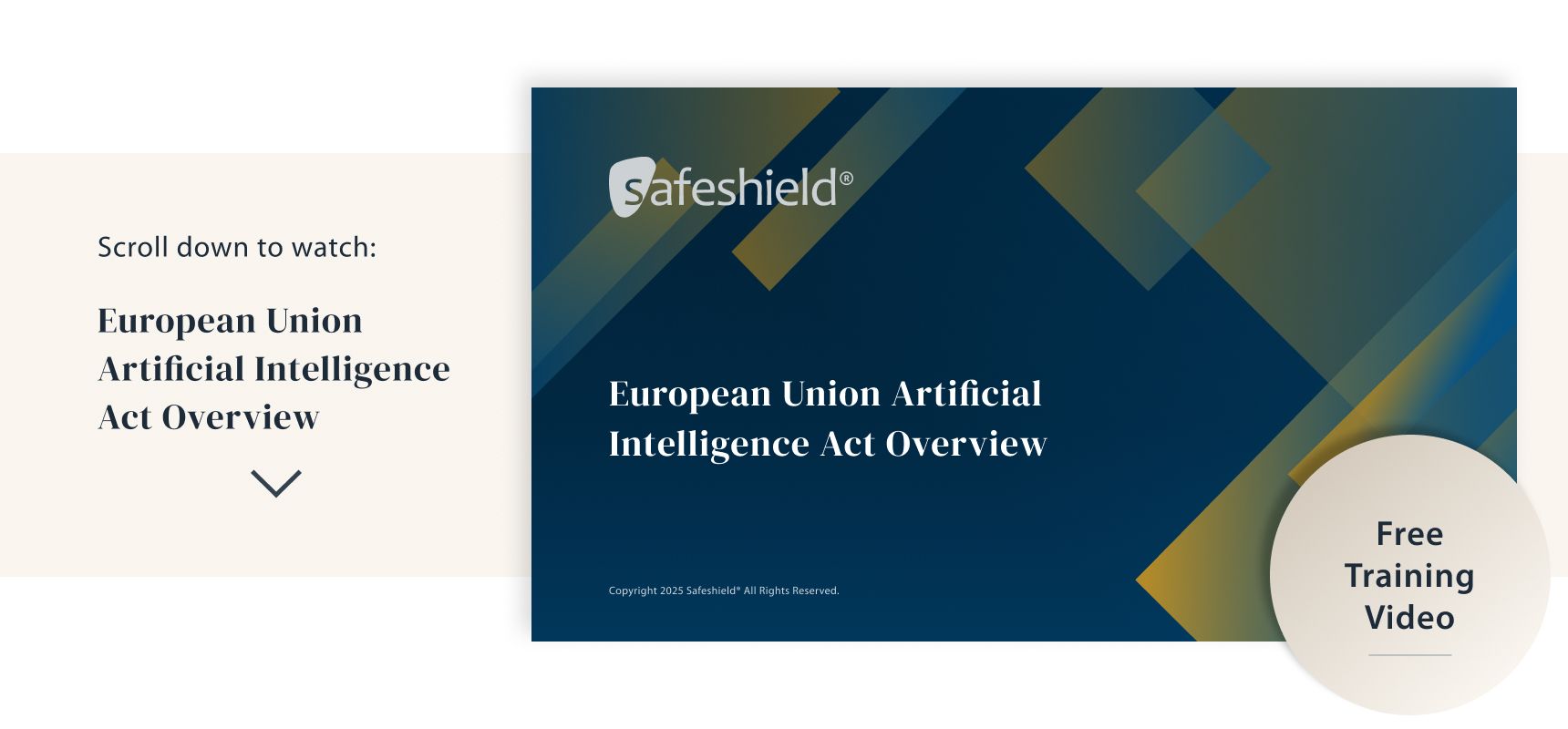
The European Union Artificial Intelligence Act, commonly referred to as the EU AI Act, represents the first comprehensive and binding legal framework dedicated specifically to artificial intelligence. Its purpose is to regulate how AI systems are developed, placed on the market, and used within the European Union, while safeguarding fundamental rights, public safety, and societal values. This regulation reflects the EU’s long-standing approach to technology governance, which emphasizes risk management, accountability, and harmonized market rules rather than voluntary guidelines.
The AI Act applies across industries and technologies, covering traditional rule-based AI systems as well as advanced machine learning and foundation models. It introduces clear legal obligations for organizations involved in the AI value chain, including providers, deployers, importers, and distributors. These obligations vary depending on the risk profile of the AI system, ensuring that regulatory burden remains proportionate to potential harm.
This session focuses on building a practical understanding of the AI Act rather than providing a legal interpretation. Attention is placed on how organizations can operationalize compliance through governance structures, risk management processes, and technical controls. The regulation does not exist in isolation; it aligns closely with international standards such as ISO/IEC 42001 for artificial intelligence management systems and the NIST AI Risk Management Framework. Understanding these connections enables organizations to design compliance programs that are efficient, auditable, and scalable.
By the end of this session, participants will understand why the EU AI Act was introduced, how it is structured, which AI systems fall under its scope, and what concrete actions organizations must take to comply. This foundation supports informed decision-making for executives, compliance professionals, and technical leaders responsible for AI governance.
Subscribe to our channel @SafeshieldTraining
Share this article
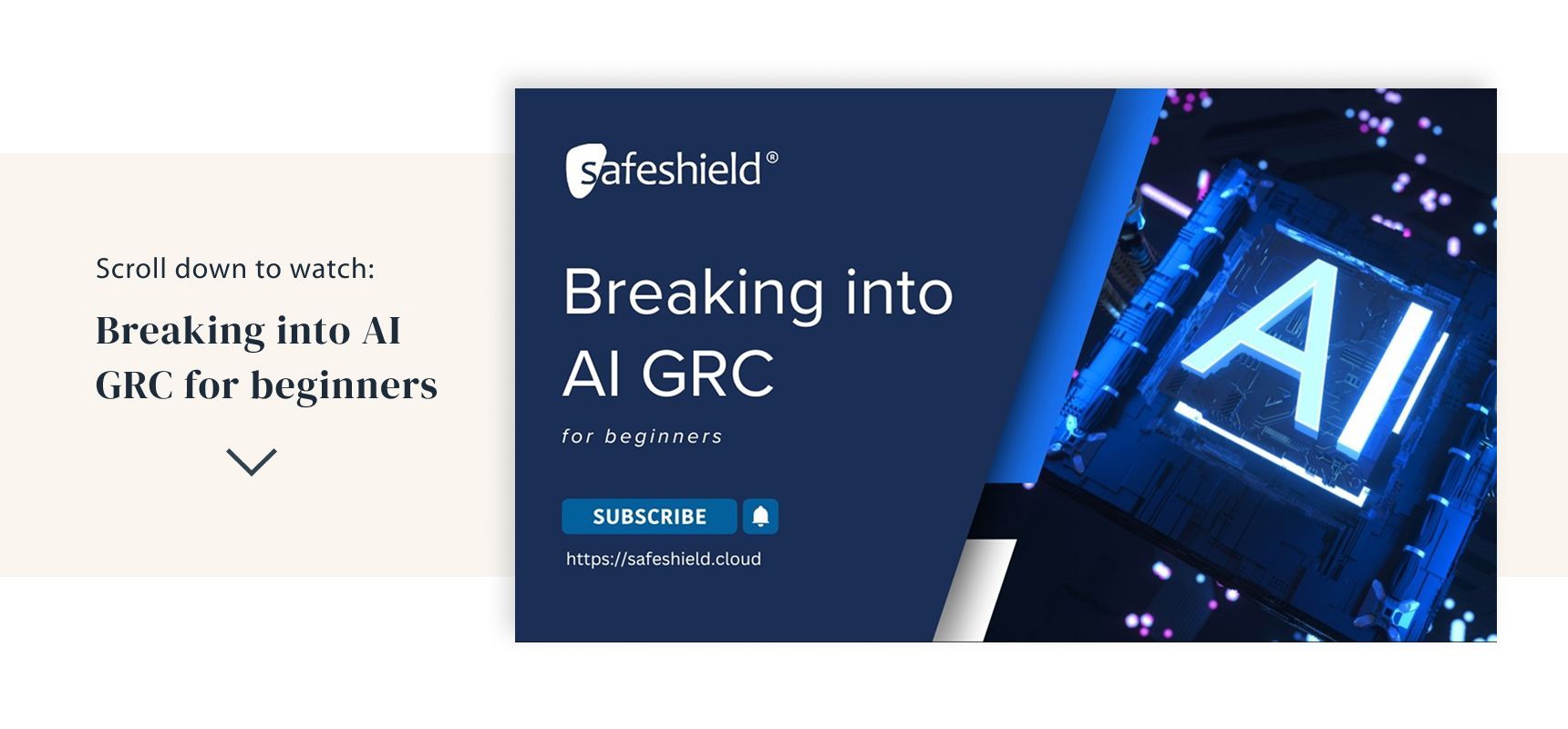
In this video, we walk through a practical beginner roadmap for getting into AI GRC in 2026: what AI GRC means, why it matters, and what beginners should learn.
In this video, we look at some of the biggest mistakes organizations are making with ISO/IEC 42001 in 2026.

This free downloadable checklist will help you assess your organisation's position and readiness to begin the formal implementation of an AIMS.