AI Governance Policies and Documentation | Free Training
March 23, 2026

AI governance policies and documentation establish the formal structure through which organizations control, guide, and monitor the design, development, deployment, and operation of AI systems. These elements translate high-level principles such as fairness, accountability, transparency, and security into enforceable rules, procedures, and evidence artifacts that can be audited and improved over time.
An effective governance framework relies on clearly defined policies that articulate organizational intent, supported by detailed documentation that demonstrates how those policies are implemented in practice. Policies define expectations, roles, and boundaries. Documentation provides traceability, operational clarity, and compliance evidence across the AI lifecycle.
Organizations operating AI systems face increasing regulatory and stakeholder pressure. Frameworks such as ISO/IEC 42001, the NIST AI Risk Management Framework, and the EU AI Act require structured documentation to demonstrate compliance, risk management, and responsible use of AI technologies. Governance policies and documentation therefore function as both internal management tools and external assurance mechanisms.
A mature approach integrates governance into existing management systems, such as ISMS or enterprise GRC platforms. This integration ensures consistency, avoids duplication, and enables continuous monitoring and improvement.
This course explores how to design, structure, and maintain AI governance policies and documentation. Each concept connects directly to practical implementation, audit readiness, and regulatory alignment, ensuring that governance moves beyond theory into operational effectiveness.
Share this article

In this video, we walk through a practical beginner roadmap for getting into AI GRC in 2026: what AI GRC means, why it matters, and what beginners should learn.
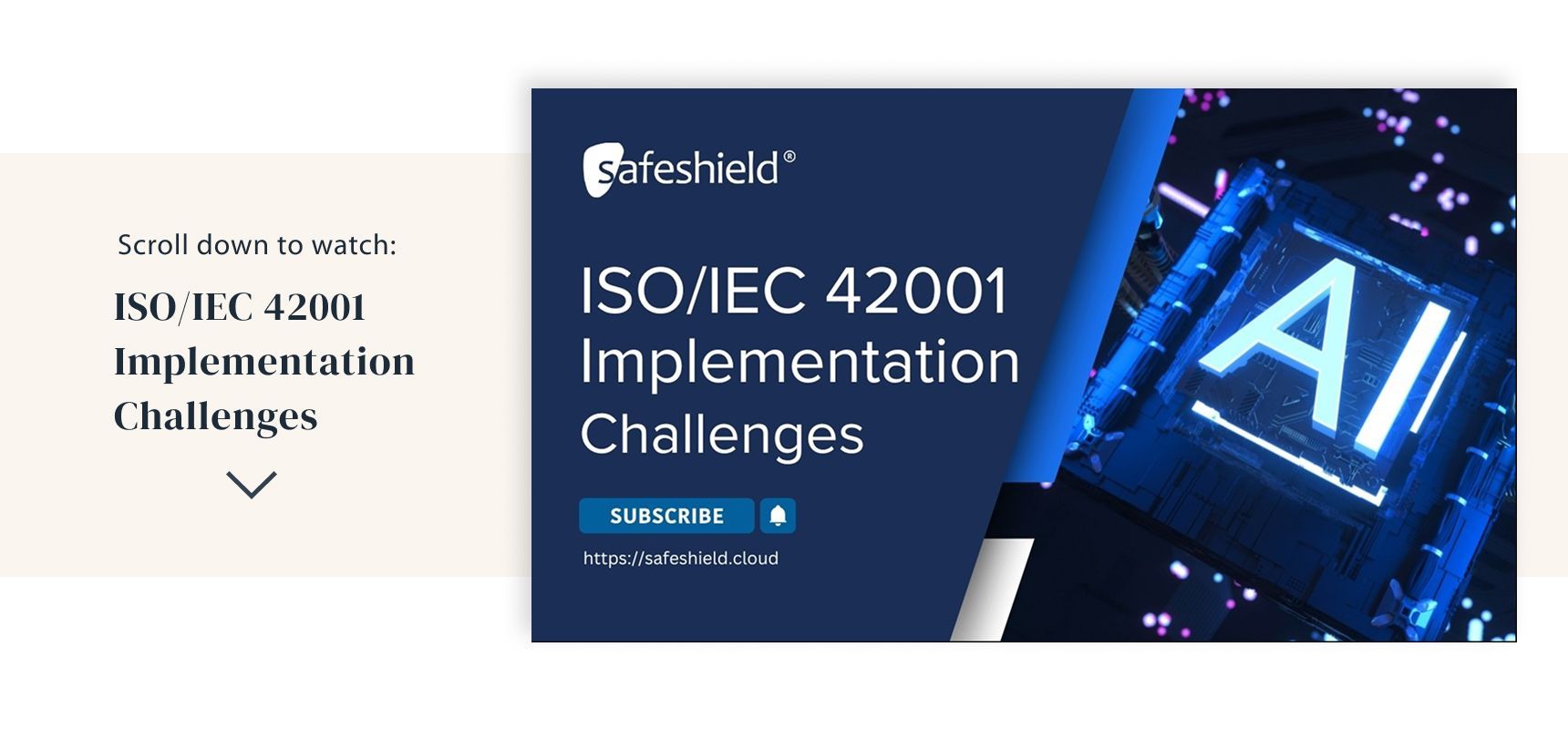
In this video, we look at some of the biggest mistakes organizations are making with ISO/IEC 42001 in 2026.

This free downloadable checklist will help you assess your organisation's position and readiness to begin the formal implementation of an AIMS.